Heat pumps are built to provide dependable heating and cooling throughout the year, but like any mechanical system, they can develop problems over time. Some issues begin with a small change in performance and gradually turn into expensive repairs if left unchecked. For homeowners, recognizing those warning signs early can help protect indoor comfort and prevent a minor fault from becoming a major system failure. When professional help is needed, heat pump services in Wallace can help identify the cause and determine the right solution.
Understanding what your heat pump is telling you is an important part of maintaining it. Strange sounds, uneven temperatures, poor airflow, or rising energy bills may all point to a system that needs attention.
Uneven Heating or Cooling
One of the easiest heat pump problems to notice is inconsistent indoor temperature. You may find that one room feels comfortable while another remains too warm or too cold. This can happen for several reasons, including restricted airflow, a dirty filter, ductwork problems, thermostat issues, or a heat pump that is struggling to operate efficiently.
Temperature differences should not automatically be blamed on the house itself. If the problem is new or becoming more noticeable, it is worth having the system inspected. Continued operation under poor conditions can place extra strain on the equipment.
Weak or Reduced Airflow
A heat pump can run continuously and still fail to deliver enough conditioned air into the home. Weak airflow from the vents may signal a clogged air filter, obstructed ductwork, a malfunctioning blower motor, or another internal issue.
Start by checking whether the air filter is dirty and replace it if needed. If airflow remains weak afterward, the problem may require professional diagnosis. Reduced airflow affects comfort and can also make the system work harder to reach the desired temperature.
Unusual Noises
Heat pumps naturally make some noise while starting, stopping, and moving air. What matters is a noticeable change from normal operation. Grinding, rattling, squealing, buzzing, or repeated clicking should not be ignored.
Different sounds can indicate different concerns. A rattling noise could come from a loose component, while grinding may suggest that moving parts are wearing down. Electrical issues can sometimes produce buzzing or clicking sounds.
Because identifying the source often requires access to internal components, unusual noises are a good reason to schedule an inspection rather than continuing to run the system and hoping the sound disappears.
The Heat Pump Struggles to Maintain the Set Temperature
A properly functioning system should be able to maintain a reasonably consistent indoor temperature based on the thermostat setting and outdoor conditions. If your heat pump runs for long periods but never seems to reach the target temperature, something may be wrong.
Possible causes include refrigerant problems, airflow restrictions, thermostat malfunctions, dirty coils, or mechanical wear. In some cases, the equipment may be undersized for the property or experiencing a problem that reduces its ability to transfer heat.
Long run times are especially important to watch if they are a change from the system’s normal behavior. A heat pump that constantly runs can consume more energy while still providing poor comfort.
Rising Energy Bills
An unexpected increase in heating or cooling costs can be one of the earliest signs of declining system efficiency. Seasonal changes can naturally affect energy use, but a sharp increase without a comparable change in usage deserves attention.
Several problems may cause a heat pump to consume more electricity. Dirty filters, blocked coils, failing components, refrigerant issues, and poor airflow can all interfere with normal operation. An aging system may also become less efficient as components wear.
Keeping an eye on monthly utility bills can help homeowners spot changes before a performance problem becomes more severe.
Frequent Cycling On and Off
A heat pump should not repeatedly turn on and off within short intervals. This behavior, sometimes called short cycling, can indicate thermostat problems, airflow restrictions, an improperly sized system, or other mechanical concerns.
Frequent cycling prevents the system from completing normal heating or cooling cycles and can increase wear on components. It may also create noticeable temperature swings in the home.
If the system starts cycling more frequently than usual, a technician can check whether the cause is electrical, mechanical, or related to the system’s controls.
Ice or Frost on the Outdoor Unit
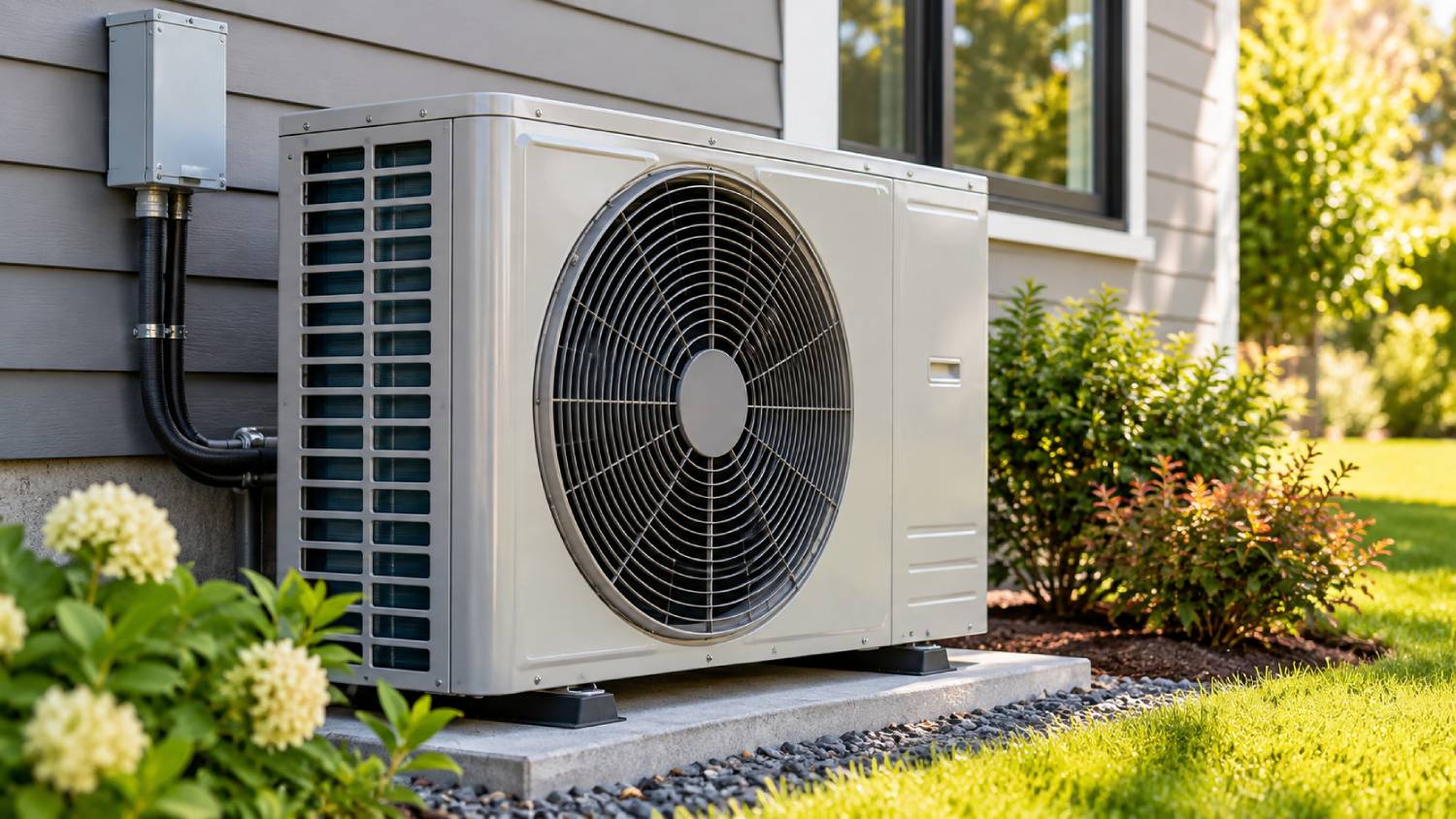
Seeing frost on a heat pump during cold weather does not always mean something is wrong. Heat pumps can naturally collect frost and use a defrost cycle to remove it. However, heavy ice buildup that remains for an extended period may signal a problem.
Potential causes include airflow issues, refrigerant problems, sensor failures, or a malfunctioning defrost system. Excessive ice can interfere with the unit’s ability to transfer heat and reduce overall performance.
Homeowners should avoid trying to chip away thick ice with sharp tools, which can damage coils and other components. Persistent buildup is better handled through professional inspection.
Water Around the Indoor or Outdoor Unit
Moisture or pooling water near the heat pump can have several possible causes. A clogged drain line, blocked condensate system, frozen coil, or drainage problem may be responsible. Not every drop of water indicates a serious failure, but unexplained or persistent leakage should be investigated.
Ignoring water-related issues may allow moisture to affect nearby flooring, walls, insulation, or electrical components. Addressing the source early can reduce the risk of additional property damage.
When a Heat Pump Problem Needs Immediate Attention
Some warning signs deserve prompt attention rather than waiting for the next routine service visit. Burning smells, smoke, sparks, repeated electrical breaker trips, or sudden system failure can indicate a serious electrical or mechanical problem.
Turn the system off and seek professional assistance if you notice signs that could pose a safety risk. Continuing to operate damaged equipment can make the situation worse.
For less urgent issues, such as uneven temperatures, strange noises, or gradually increasing energy costs, scheduling an inspection sooner can still be worthwhile. Early diagnosis often gives homeowners more options than waiting until the system stops working completely.
Keep Small Problems From Becoming Bigger Ones
Regular maintenance can help catch developing problems before they interfere with comfort or lead to unexpected downtime. Replacing filters as recommended, keeping outdoor components clear of debris, checking thermostat settings, and scheduling routine professional inspections can all support reliable operation.
At the same time, homeowners should pay attention to changes in how the system behaves. Heat pumps often provide useful clues before a major failure occurs. A new sound, weaker airflow, longer run times, or unexplained energy increase can all be signs that something has changed.
Conclusion
Heat pump problems rarely become serious without offering some warning first. Uneven temperatures, weak airflow, unusual sounds, ice buildup, water leaks, frequent cycling, and rising energy bills are all signs worth noticing. Responding early can help protect comfort, improve system performance, and reduce the chance of an unexpected breakdown.
Rather than waiting until a heat pump stops working altogether, homeowners should treat changes in performance as a reason to investigate. A timely inspection can reveal whether the issue is minor, requires repair, or points to a larger system concern.