Heat pumps have become one of the most talked-about home comfort solutions in recent years. Homeowners looking to improve energy efficiency, reduce utility costs, and maintain year-round comfort are increasingly considering this technology as an alternative to traditional heating and cooling systems.
If you’re researching your options, understanding how heat pumps work and whether they fit your home’s needs is essential. Before investing in a new system, it’s worth learning about the benefits, potential drawbacks, and key factors that can influence performance. Many homeowners exploring heat pump services in Conway, AR begin by asking whether a heat pump can effectively handle both heating and cooling while delivering long-term savings.
This guide covers everything you should know before making a decision.
What Is a Heat Pump?
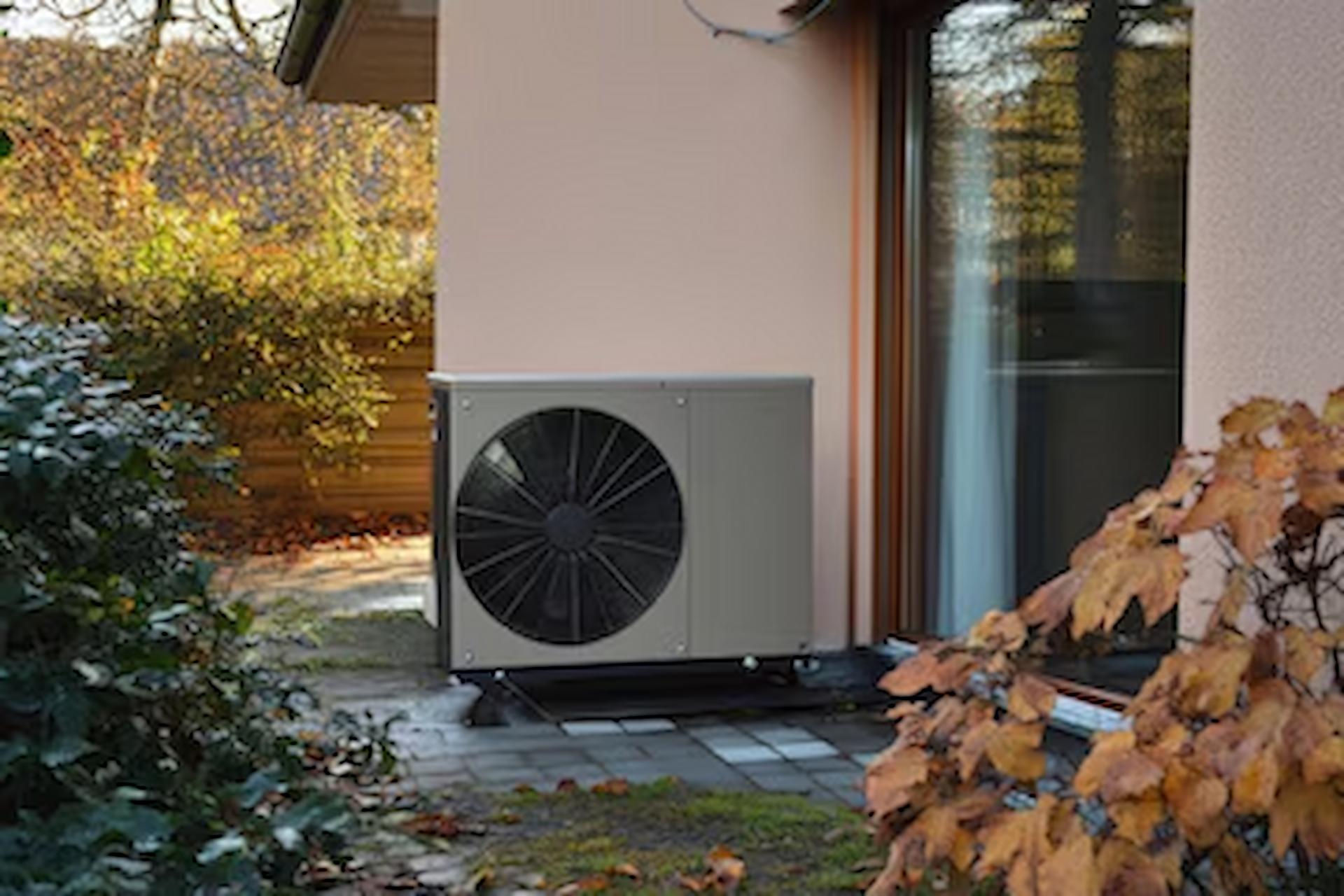
A heat pump is a system that transfers heat rather than generating it directly. During colder months, it extracts heat from the outdoor air and moves it indoors. In warmer months, the process reverses, removing heat from inside your home and releasing it outdoors.
Because a heat pump moves heat instead of creating it through combustion, it often operates more efficiently than traditional furnaces and air conditioners.
The two most common residential options are:
- Air-source heat pumps
- Ground-source (geothermal) heat pumps
Air-source systems are the most widely used because they are generally more affordable to install and suitable for many climates.
Why Homeowners Are Choosing Heat Pumps
The growing popularity of heat pumps is largely due to their versatility and efficiency.
Energy Efficiency
One of the biggest advantages is lower energy consumption. Since heat pumps transfer heat instead of generating it, they can deliver more heating and cooling output relative to the electricity they use.
For homeowners focused on reducing energy costs, this efficiency can be an attractive feature.
Year-Round Comfort
Unlike systems that only provide heating or cooling, a heat pump performs both functions. This means one system can maintain indoor comfort throughout every season.
Consistent Indoor Temperatures
Heat pumps are designed to run for longer periods at lower capacities, which helps maintain steady temperatures rather than creating noticeable hot and cold swings.
Reduced Environmental Impact
Because they rely on electricity and use energy efficiently, heat pumps can help lower household energy consumption compared to some traditional systems.
Is a Heat Pump Right for Your Climate?
Climate plays a major role in determining whether a heat pump is the best choice for your home.
Modern heat pumps perform well in a wide range of temperatures and have improved significantly over the past decade. Many newer models can continue operating efficiently even when outdoor temperatures drop.
However, homes located in regions with extended periods of extreme cold may require supplemental heating during the coldest days of winter.
Understanding local weather patterns and discussing your needs with an HVAC professional can help determine the most suitable system configuration.
Key Factors to Consider Before Installation
A heat pump is not a one-size-fits-all solution. Several factors should be evaluated before moving forward.
Home Size and Layout
The size of your home directly affects system selection. An oversized or undersized unit can reduce efficiency and comfort.
Proper load calculations help determine the right capacity for your property.
Insulation Quality
A well-insulated home retains conditioned air more effectively, allowing a heat pump to operate efficiently.
If your home has significant air leaks or poor insulation, addressing those issues may improve performance and reduce energy usage.
Existing Ductwork
If you currently have ductwork in good condition, installation may be more straightforward.
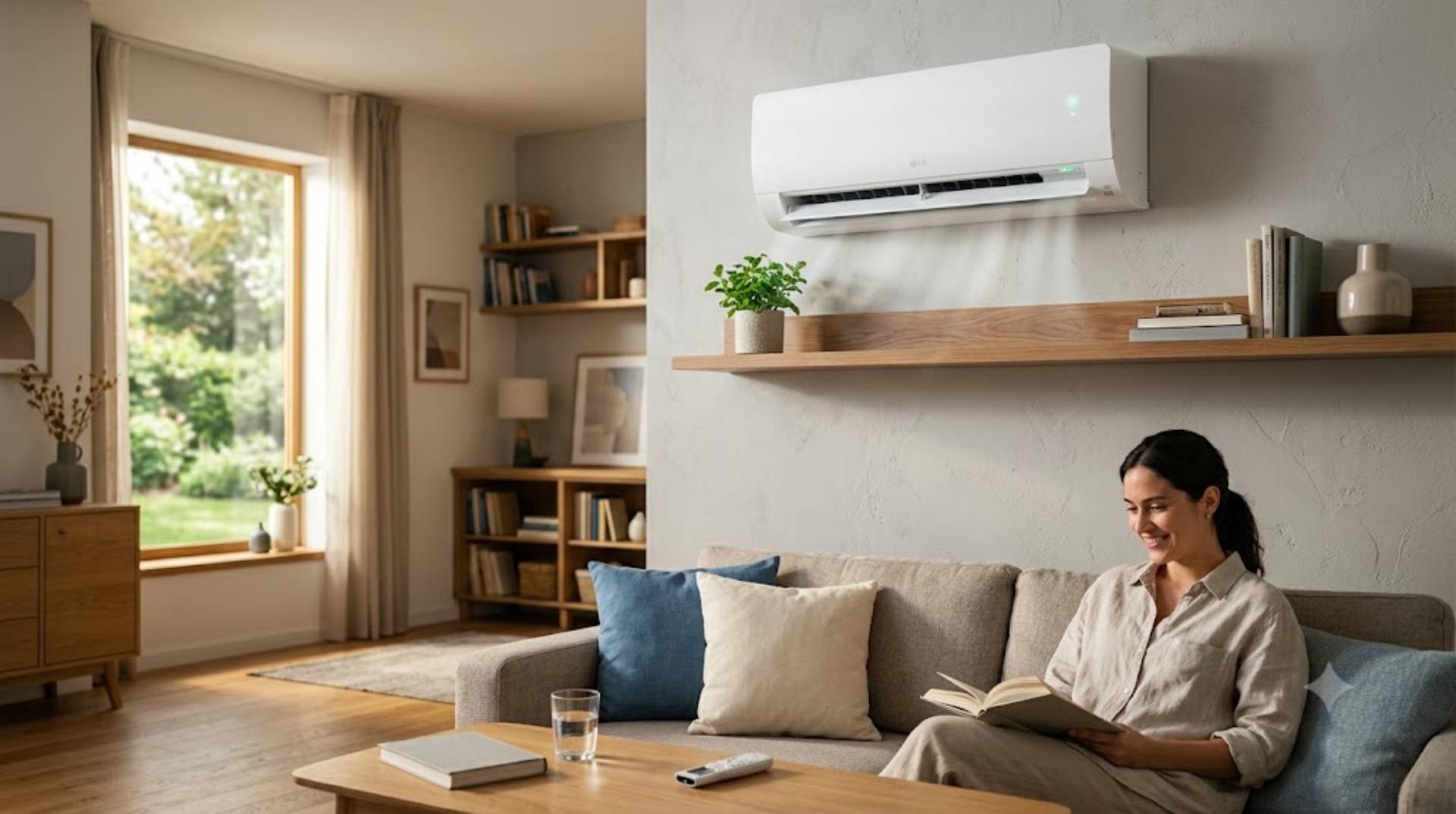
Homes without ducts may benefit from ductless mini-split heat pump systems, which provide flexible zoning options and targeted comfort.
Initial Investment
Although heat pumps can offer long-term energy savings, installation costs may be higher than some conventional systems.
Evaluating both upfront costs and long-term operating expenses provides a more complete picture of overall value.
Common Misconceptions About Heat Pumps
Many homeowners hesitate because of outdated information.
“Heat Pumps Don’t Work in Winter”
This is one of the most common myths. Modern systems are specifically engineered to perform efficiently in a variety of weather conditions.
While performance can vary depending on the model and climate, today’s heat pumps are far more capable than earlier generations.
“They’re Only for Warm Climates”
Although heat pumps have traditionally been associated with milder regions, technological advancements have expanded their effectiveness into colder areas as well.
“They Require Constant Maintenance”
Like any HVAC system, regular maintenance is important. However, routine service requirements are generally similar to those of conventional heating and cooling equipment.
The Importance of Professional Installation
Even the highest-quality equipment can underperform if it is installed incorrectly.
Professional installation ensures:
- Accurate system sizing
- Proper airflow configuration
- Correct refrigerant levels
- Efficient operation
- Manufacturer warranty compliance
Homeowners researching heat pump services in Conway, AR should prioritize experienced HVAC professionals who understand local climate conditions and system requirements.
A properly installed system can significantly impact energy efficiency, comfort, and equipment lifespan.
Maintenance Tips for Long-Term Performance
Regular upkeep helps protect your investment and maintain system efficiency.
Some important maintenance practices include:
- Replacing or cleaning air filters regularly
- Keeping outdoor units free of debris
- Scheduling professional inspections
- Checking thermostat settings
- Monitoring airflow throughout the home
Preventive maintenance can help identify minor issues before they become larger and more expensive repairs.
Questions to Ask Before Buying
Before selecting a heat pump, consider asking:
- What size system does my home require?
- What efficiency ratings are available?
- Will supplemental heating be necessary?
- What maintenance schedule is recommended?
- How long is the manufacturer’s warranty?
- What are the estimated operating costs?
Getting clear answers can help you compare options and make an informed decision.
Conclusion
Choosing the right heating and cooling system is one of the most important decisions for maintaining comfort, energy efficiency, and long-term value in your home. Heat pumps continue to gain popularity because they provide reliable year-round climate control, lower energy usage, and environmentally conscious operation. However, the best results depend on selecting the right system size, ensuring professional installation, and maintaining the equipment properly.
By carefully considering your home’s needs, local weather conditions, and efficiency goals, you can make an informed investment that delivers lasting benefits. For homeowners exploring modern HVAC solutions, understanding the advantages of heat pump technology can help create a more comfortable, energy-efficient, and cost-effective living environment for years to come.