
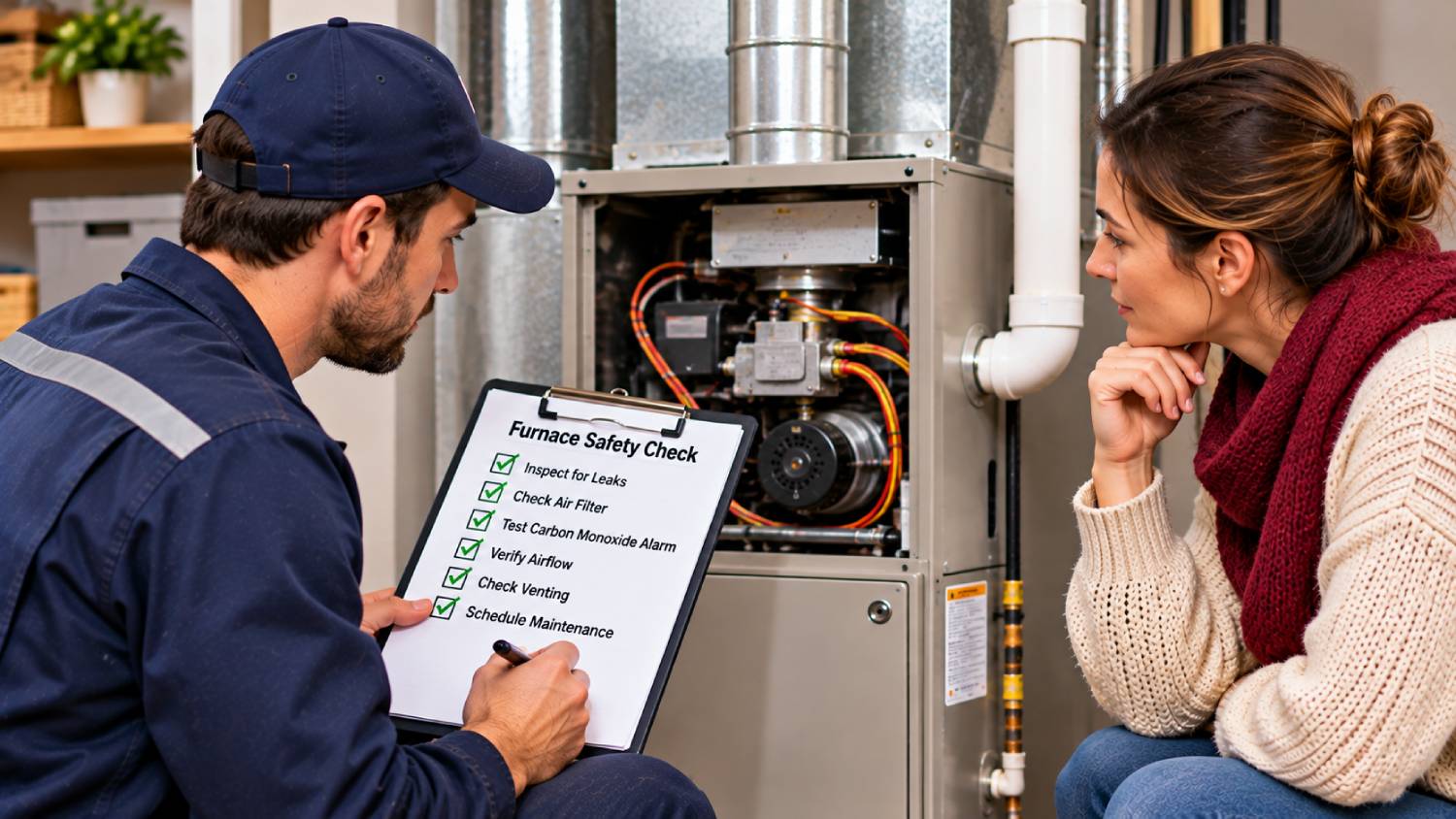
Chattanooga winters may be milder than those further north, but sudden cold snaps still put heating systems under real strain. A furnace that has sat idle since spring can hide problems that only show up when you need warmth most.
Why a Pre-Winter Furnace Check Matters
Most furnace faults develop slowly. Dust builds up, parts wear down and small leaks go unnoticed. If you are looking for furnace services in Chattanooga, TN, early autumn is the ideal time to book, before engineers get busy with emergency call-outs.
A quick check also protects your household. Faulty gas appliances can produce carbon monoxide, a colourless, odourless gas that is dangerous to breathe.
6 Things to Check Before Winter
1. Replace or Clean the Air Filter
A clogged filter restricts airflow, forcing your furnace to work harder and use more energy. Check it monthly during the heating season. Disposable filters generally need replacing every one to three months, depending on the type, pets in the home and general dust levels.
2. Test Your Carbon Monoxide and Smoke Alarms
Press the test button on every alarm and replace batteries if needed. Carbon monoxide alarms should be placed on each level of your home, particularly near bedrooms. Check the manufacturer’s date on each unit, as most alarms need replacing after five to ten years.
3. Look at the Flame and Trust Your Nose
On a gas furnace, the burner flame should be steady and blue. A yellow or flickering flame can signal incomplete combustion and needs professional attention.
If you smell gas, which is often described as rotten eggs, leave the house straight away and call your gas supplier’s emergency line or 911 from outside. Do not switch anything on or off. For anything less urgent, a technician offering furnace services in Chattanooga, TN can inspect the burner, heat exchanger and venting safely.
4. Listen for Unusual Noises
Switch the heating on for the first time and pay attention. Banging, squealing, rattling or scraping sounds often point to loose panels, worn belts or failing motor parts. Short-cycling, where the furnace turns on and off repeatedly, is another warning sign.
5. Clear the Area Around the Furnace and Vents
Keep at least a metre of clear space around the unit. Never store paint, cleaning products, petrol or cardboard nearby, as these are fire hazards. Make sure furniture, rugs and curtains are not blocking supply vents or return grilles, since poor airflow reduces efficiency and can cause overheating.
6. Book an Annual Professional Service
DIY checks are useful, but they cannot replace a trained inspection. A technician will typically examine the heat exchanger for cracks, test safety controls, clean key components and check the flue for blockages. Many manufacturers also require regular servicing to keep a warranty valid.
Furnace Safety FAQs
How often should a furnace be serviced?
Once a year is the standard recommendation, ideally before the heating season begins.
How long does a furnace last?
With good maintenance, many furnaces last around 15 to 20 years. If yours is approaching that age and needs frequent repairs, ask a professional whether replacement would be more cost-effective.
What are the warning signs of a failing furnace?
Rising energy bills, uneven heating, strange noises, frequent breakdowns and a yellow burner flame are all common indicators.
Can I service my furnace myself?
You can change filters and clear the surrounding area. Anything involving gas, electrics or internal components should be left to a qualified technician.
Conclusion
A safe furnace comes down to a few simple habits. Change the filter, test your alarms, check the flame, listen for odd noises, keep the area clear and arrange an annual professional inspection.
Acting now costs far less than an emergency repair on the coldest night of the year. More importantly, it helps keep your home warm, efficient and safe all season.