A reliable water heating system is one of the most essential parts of any home. From morning showers to washing dishes, hot water supports daily comfort and hygiene. Yet, many homeowners only think about their system when something goes wrong. Choosing and fitting a new water heater requires careful thought. The right system can improve efficiency, lower energy costs, and ensure consistent performance for years. This guide breaks down the key steps to help you make a confident and informed decision.
Focus on Professional Installation for Safety and Performance
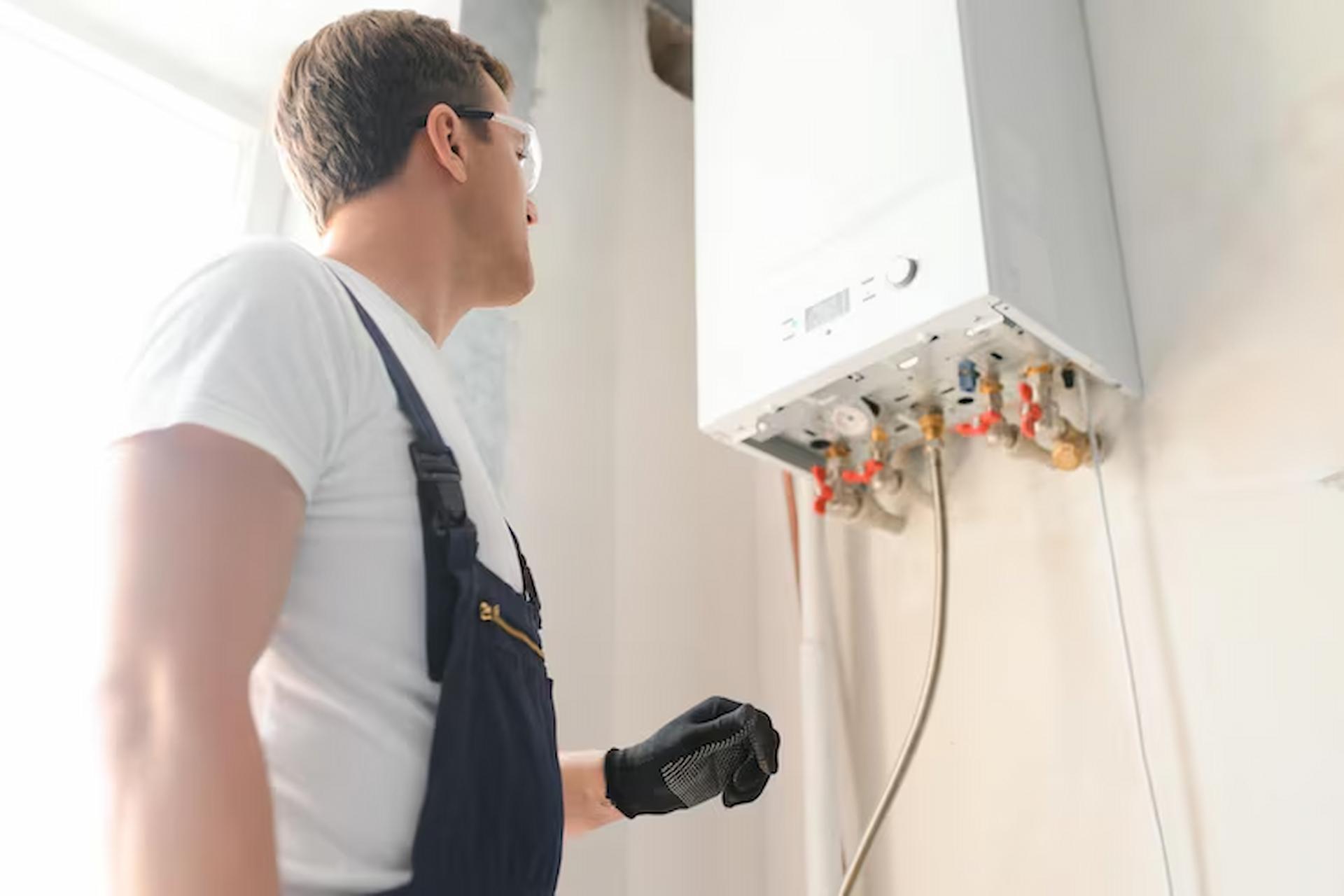
Proper installation is critical to the performance and lifespan of your water heater. Even the most advanced system can fail prematurely if installed incorrectly. This is why many homeowners turn to trusted professionals for water heater installation. A qualified installer ensures that connections, safety measures, and compliance standards are all handled correctly.
This not only protects your investment but also reduces the risk of leaks, inefficiency, or system failure over time.
Understand Your Household’s Hot Water Needs
Before selecting a system, it is important to assess how much hot water your household actually uses. A small household may only need a compact unit, while a larger family with multiple bathrooms will require a more powerful system.
Think about peak usage times. If several taps, showers, or appliances run at once, your system must handle that demand without running cold. Understanding these patterns helps you avoid under-sizing or over-investing in a system that does not match your needs.
Know the Different Types of Water Heaters
There are several types of water heaters available, each with its own benefits. Storage tank heaters are the most common and store hot water for immediate use. Tankless systems heat water on demand, offering better energy efficiency and a continuous supply.
Heat pump water heaters use electricity to move heat rather than generate it, making them highly efficient. Solar water heaters are also gaining popularity for their eco-friendly performance. Choosing the right type depends on your budget, space, and long-term energy goals.
Evaluate Energy Efficiency and Running Costs
Energy efficiency plays a major role in long-term savings. Modern water heaters often come with energy ratings that help you compare performance. While high-efficiency models may cost more upfront, they can significantly reduce monthly utility bills.
Consider the fuel source as well. Electric systems are easier to install but may cost more to run in some regions. Gas-powered units often heat water faster and may be more economical over time. Always weigh installation costs against long-term savings.
Choose the Right Size and Capacity
Selecting the correct size ensures your system performs efficiently without wasting energy. Tank systems are measured by capacity, while tankless models are rated by flow rate.
A unit that is too small will struggle to keep up with demand, leading to inconsistent hot water. On the other hand, an oversized system can increase energy consumption unnecessarily. A professional assessment can help determine the ideal size based on your home’s layout and usage habits.
Consider Installation Requirements and Space
Not all water heaters fit seamlessly into every home. Some systems require ventilation, additional piping, or electrical upgrades. Tankless models, for example, may need specific installation conditions to function properly.
Available space is another key factor. Storage tanks require more room, while compact tankless units can be mounted on walls to save space. Planning ahead ensures the installation process is smooth and avoids unexpected modifications.
Think About Maintenance and Longevity
Regular maintenance extends the life of your water heater and keeps it running efficiently. Tank systems may require periodic flushing to remove sediment buildup, while tankless systems benefit from descaling.
Understanding maintenance needs before purchase helps you choose a system that aligns with your willingness and ability to maintain it. Investing in routine servicing can prevent costly repairs and ensure consistent performance throughout the system’s lifespan.
Compare Costs Beyond the Purchase Price
The initial price of a water heater is only part of the total cost. Installation, energy usage, maintenance, and potential repairs all contribute to long-term expenses.
A cheaper unit may seem appealing at first, but it could cost more in the long run due to inefficiency or frequent servicing. On the other hand, a higher-quality system may offer better durability and savings over time. Taking a holistic view of costs leads to a smarter investment.
In Conclusion
Choosing and fitting a new water heating system is a decision that affects your home’s comfort, efficiency, and daily routine. By understanding your needs, comparing options, and prioritizing professional installation, you can ensure a system that delivers reliable performance for years.
A thoughtful approach not only saves money but also enhances convenience and peace of mind. Investing in the right water heater today means fewer problems and better comfort tomorrow.