
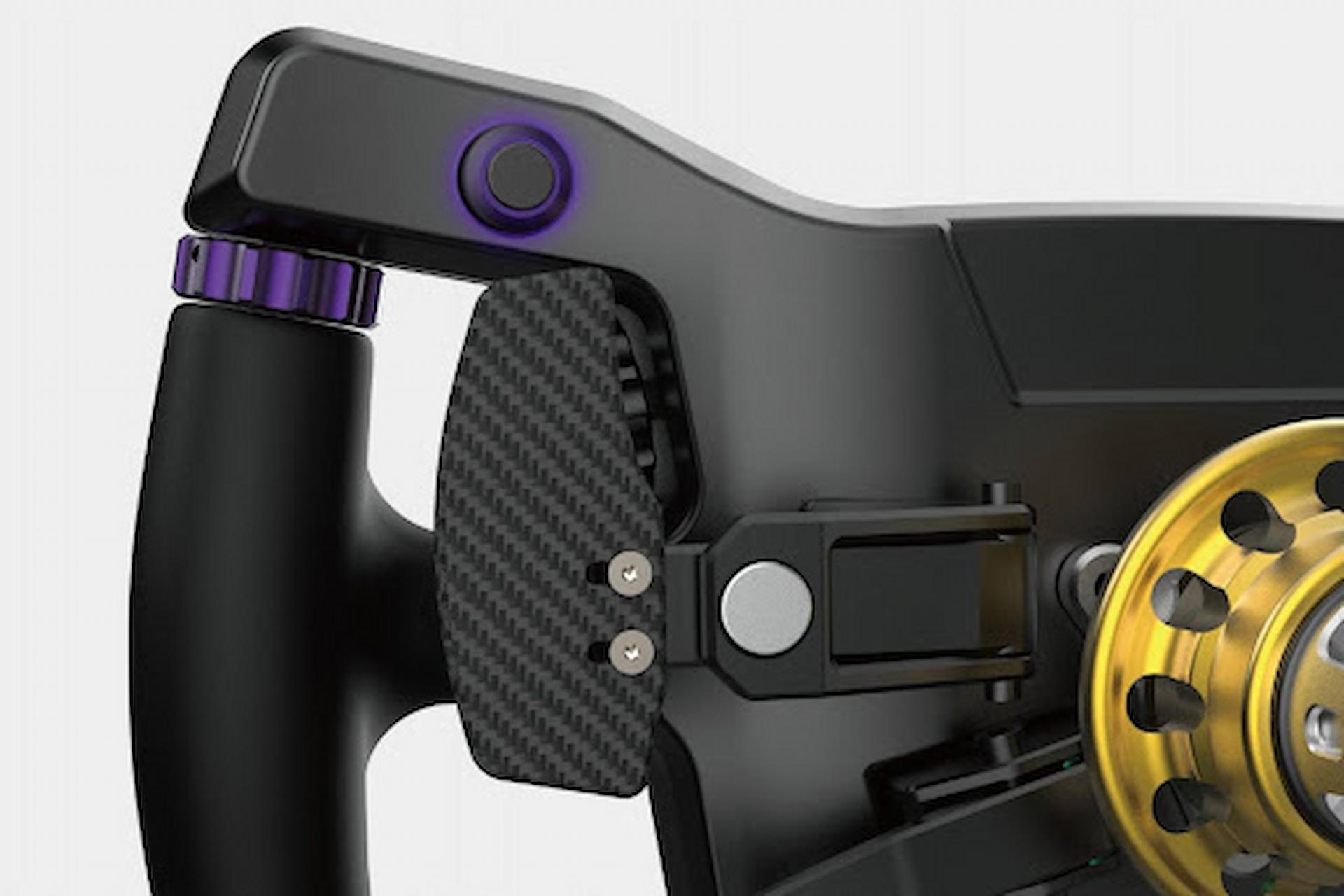
From microscopic tyre deformation to dynamic track evolution, modern sim racing software mirrors real-world motorsport with astonishing depth. Every grip level, temperature shift, and suspension movement is calculated in real time, turning virtual circuits into unforgiving proving grounds. Beneath the surface lies a network of physics engines, data models, and engineering decisions that shape a racing experience where precision isn’t optional—it’s everything.
Sim racing has evolved far beyond visual spectacle. What separates serious simulation from casual racing games is its ability to replicate how cars behave, respond, and fail under real-world conditions. From physics engines to environmental modelling, today’s software is built to reward precision, consistency, and understanding rather than reflex alone. Platforms that support advanced hardware ecosystems, including brands such as Conspit, exist because the software beneath them is capable of translating subtle driver input into meaningful on-track outcomes.
This realism is not accidental. It is the result of layered systems working together to model forces, materials, and feedback with discipline and intent. Understanding how this realism is achieved reveals why sim racing demands respect as a technical and competitive activity
Physics Engines That Mirror Real Vehicle Dynamics
At the core of sim racing realism is the physics engine. This system calculates how the car moves, reacts, and settles thousands of times per second. Unlike arcade titles that prioritise accessibility, simulation software models the same forces that govern real vehicles.
Key physical elements include:
- Weight transfer during braking, acceleration, and cornering
- Suspension compression and rebound
- Aerodynamic load variation with speed
- Drivetrain behaviour under stress
These calculations ensure that a car feels stable or unstable for the same reasons it would in reality. Overdriving into a corner results in loss of grip, not because the game decides it should, but because the physics no longer support the manoeuvre.
Tyre Modelling as the Foundation of Grip
Tyres are the most complex and influential component in sim racing software. Realism depends on accurately modelling how rubber interacts with the track surface. Modern simulations calculate grip dynamically rather than relying on fixed values.
Advanced tyre systems account for:
- Heat build-up and dissipation
- Pressure changes over time
- Deformation under load
- Surface wear and rubber loss
Grip is therefore temporary and conditional. Aggressive driving reduces performance over a session, while smooth inputs preserve tyre life. This creates a learning curve based on discipline rather than shortcuts.
Track Surface and Environmental Simulation
Real-world circuits are not static. Sim racing software reflects this by modelling how the track surface evolves throughout a session. Temperature, rubber accumulation, and weather all influence grip levels.
Environmental factors commonly simulated include:
- Track temperature variation
- Rubber laid down on racing lines
- Standing water and drying phases
- Ambient conditions affecting engine and tyres
As a result, lap times and braking points shift subtly over time. Drivers must adapt continuously, reinforcing realism and strategic thinking rather than memorisation.
Laser-Scanned Circuits and Dimensional Accuracy
Visual realism matters, but dimensional accuracy matters more. Many modern sim racing platforms use laser-scanned circuit data to replicate real-world geometry down to millimetre precision.
This process captures:
- Elevation changes
- Kerb profiles
- Camber variations
- Surface imperfections
These details affect suspension behaviour, tyre loading, and vehicle balance. A corner feels challenging not because it looks sharp, but because the underlying geometry creates genuine mechanical demands.
Force Feedback as a Communication Tool
Realism is meaningless without communication. Force feedback systems translate the physics engine into physical sensations through the steering wheel. High-quality software does not exaggerate forces; it filters and prioritises them.
Accurate force feedback conveys:
- Front tyre grip limits
- Understeer and oversteer onset
- Surface texture changes
- Load build-up during cornering
This is why compatibility with precision hardware ecosystems, including setups built around Conspit components, is important. The software must provide clean, interpretable signals rather than artificial resistance.
Input Fidelity and Control Resolution
Sim racing realism also depends on how driver inputs are processed. Steering, throttle, and brake signals are read with high resolution to avoid artificial smoothing or delay.
Effective input systems ensure:
- Linear response across the full pedal range
- Precise steering angle mapping
- Independent brake pressure modulation
This allows drivers to develop repeatable muscle memory. Performance improvements come from refinement, not exploitation.
Damage, Mechanical Stress, and Consequences
Unlike forgiving racing games, sim racing software often includes mechanical consequences. Damage modelling reinforces realism by tying mistakes to performance loss.
Common systems simulate:
- Suspension misalignment
- Engine overheating
- Brake fade and failure
- Aerodynamic damage
These consequences change how drivers approach races. Risk assessment becomes part of skill, mirroring real motorsport priorities.
Data-Driven Development and Validation
Modern sim racing software is built using real-world reference data. Telemetry, manufacturer input, and motorsport analysis inform vehicle behaviour models.
Development teams rely on:
- Real vehicle telemetry comparisons
- Engineering reference models
- Driver feedback loops
- Iterative physics validation
This data-driven approach ensures realism is measurable rather than subjective. When updates are made, they are grounded in technical correction rather than aesthetic preference.
Sound Design That Supports Driver Awareness
Audio plays a subtle but critical role in realism. Engine pitch, tyre noise, and drivetrain sounds provide feedback about traction and stress.
Accurate sound systems help drivers judge:
- Wheelspin onset
- Engine load changes
- Gear engagement quality
- Surface transitions
Sound is treated as information, not atmosphere, reinforcing immersion without distraction.
Why Software Realism Demands Better Hardware
As sim racing software becomes more accurate, the limitations of entry-level hardware become more visible. Clean force feedback signals, precise pedal input, and rigid mounting systems allow the software’s intent to reach the driver intact.
This is why advanced software environments often pair well with higher-grade ecosystems such as Conspit. The software does not compensate for hardware shortcomings; it exposes them.
Conclusion: Realism Is Built, Not Simulated
Realism in sim racing software is the result of deliberate engineering, layered systems, and disciplined design philosophy. Physics accuracy, tyre behaviour, environmental modelling, and feedback clarity all serve one purpose: to make performance earned rather than given.
When software achieves this level of fidelity, sim racing becomes more than entertainment. It becomes a technical discipline where understanding, consistency, and control define success. As platforms continue to evolve, and hardware integration deepens, the line between virtual and real motorsport continues to narrow—by design, not illusion.